Workplace burnout is a structural problem with a wellness layer. The structural causes — chronic over-work, weak leadership, unclear priorities, toxic culture — need structural solutions. The wellness layer responds with interventions that catch staff early and create recovery rituals into the work calendar. This article focuses on what HR can actually do at each level.
Define burnout properly first
Burnout is the WHO-defined syndrome of exhaustion, cynicism and reduced professional efficacy resulting from chronic workplace stress. It's not the same as occasional stress, anxiety or low mood. The distinction matters because the solutions differ.
Level 1: Structural solutions
- Workload audits and realistic capacity planning
- Manager training on workload distribution and 1:1 burnout detection
- Clear priorities (and the discipline to say no to the rest)
- Honest sick-leave culture that doesn't punish mental-health days
- Healthy meeting culture — fewer meetings, shorter meetings
- Real PTO usage tracking (and pressure on leaders to take leave themselves)
Level 2: Programme solutions (the wellness floor)
- Functional EAP with clear access paths and confidentiality
- Annual on-site health screenings including mental-health screening
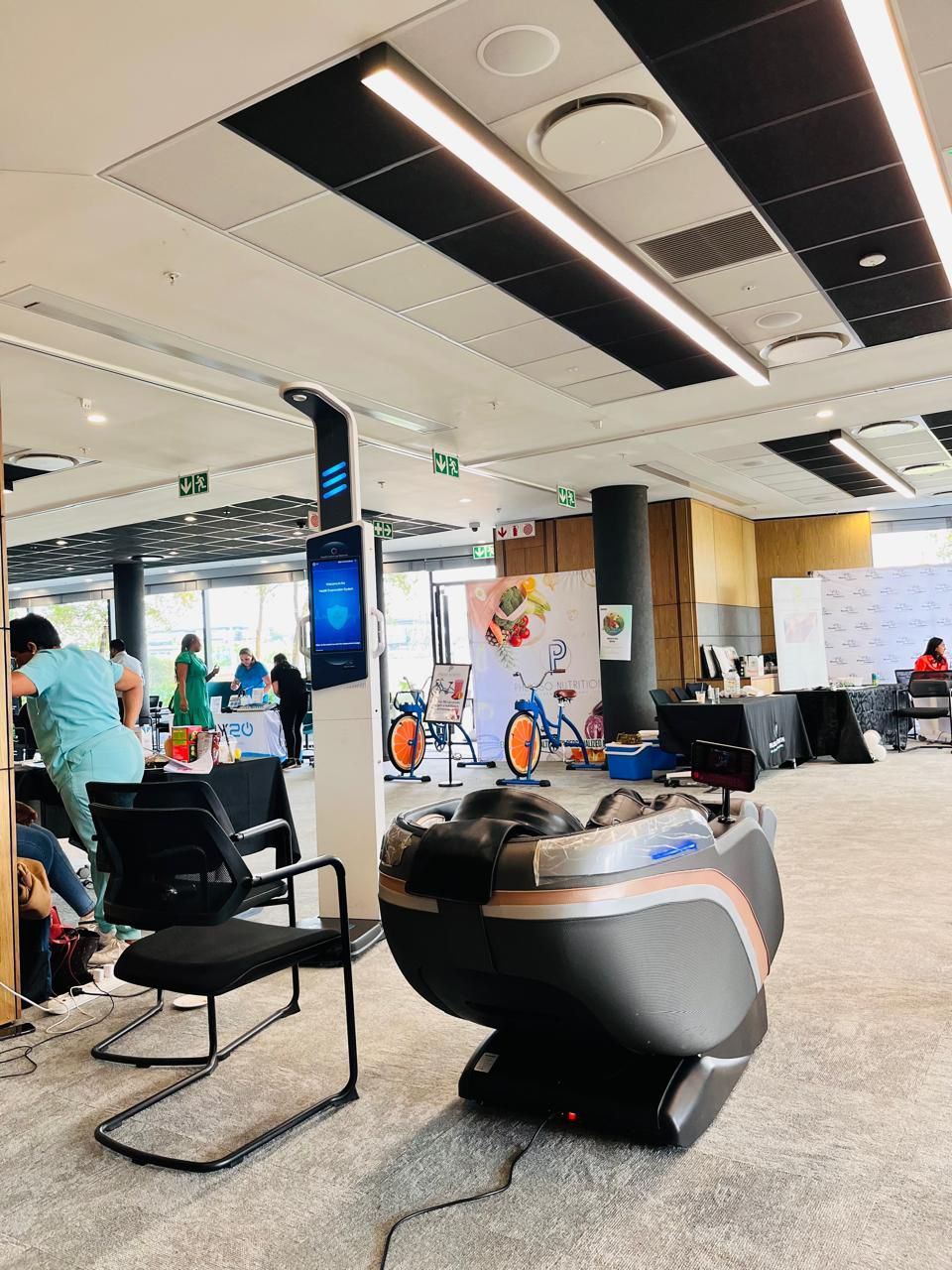
- Standing monthly wellness ritual (chair massages are the easiest to operationalise)
- Quarterly wellness days that interrupt the work cycle
- Manager-level burnout-detection training delivered every 12 months
Level 3: Individual solutions (recovery interventions)
- On-site chair massages as a recovery ritual (15-minute parasympathetic reset)
- Counselling referrals via EAP for early-stage burnout signals
- Time-off enforcement when manager-detected signals appear
- Personalised wellness coaching for chronic-stress patterns
Why chair massages keep appearing in burnout responses
Chair massages are not a burnout cure. They are, however, one of the most effective recovery rituals available in a corporate setting — high uptake, immediate physical relief, parasympathetic activation, and a strong social signal that the company is investing in recovery, not just demanding more output.
The clinical mechanism (cortisol drop, parasympathetic shift, muscle release) matters less than the cultural mechanism: chair massages create a socially-sanctioned recovery moment in a work culture that otherwise discourages them. That's the value.
What South African burnout looks like specifically
SADAG data shows mental and stress-related conditions now lead causes of absenteeism in South African desk-based workforces, with younger employees (under 35) showing the steepest rise. The pattern correlates with the long-hours, long-commute, high-traffic, hybrid-pressure reality of Johannesburg, Cape Town and Durban corporate work. SA HR teams should be benchmarking burnout signals against the SADAG baseline, not against international data — local rates are higher and the trend is steeper.
A 6-month action plan
- Month 1: Run a workload audit, identify top 3 structural drivers
- Month 2: Manager training on workload and burnout-signal detection
- Month 3: Annual health screening day + EAP communication push
- Month 4: Book a quarterly wellness day with chair massages as the centrepiece
- Month 5: Launch a standing monthly chair massage retainer for highest-risk teams
- Month 6: Re-measure engagement and sick-day rate; report to ExCo