Most corporate wellness days don't fail loudly. They fail quietly — 40 people in a room set up for 200, two screening nurses with no queues, an HR team pretending it went well. Here's why employees skip them, and what the 90%-attendance crowd does differently.
1. "It's going to be a fruit bowl and a blood-pressure machine"
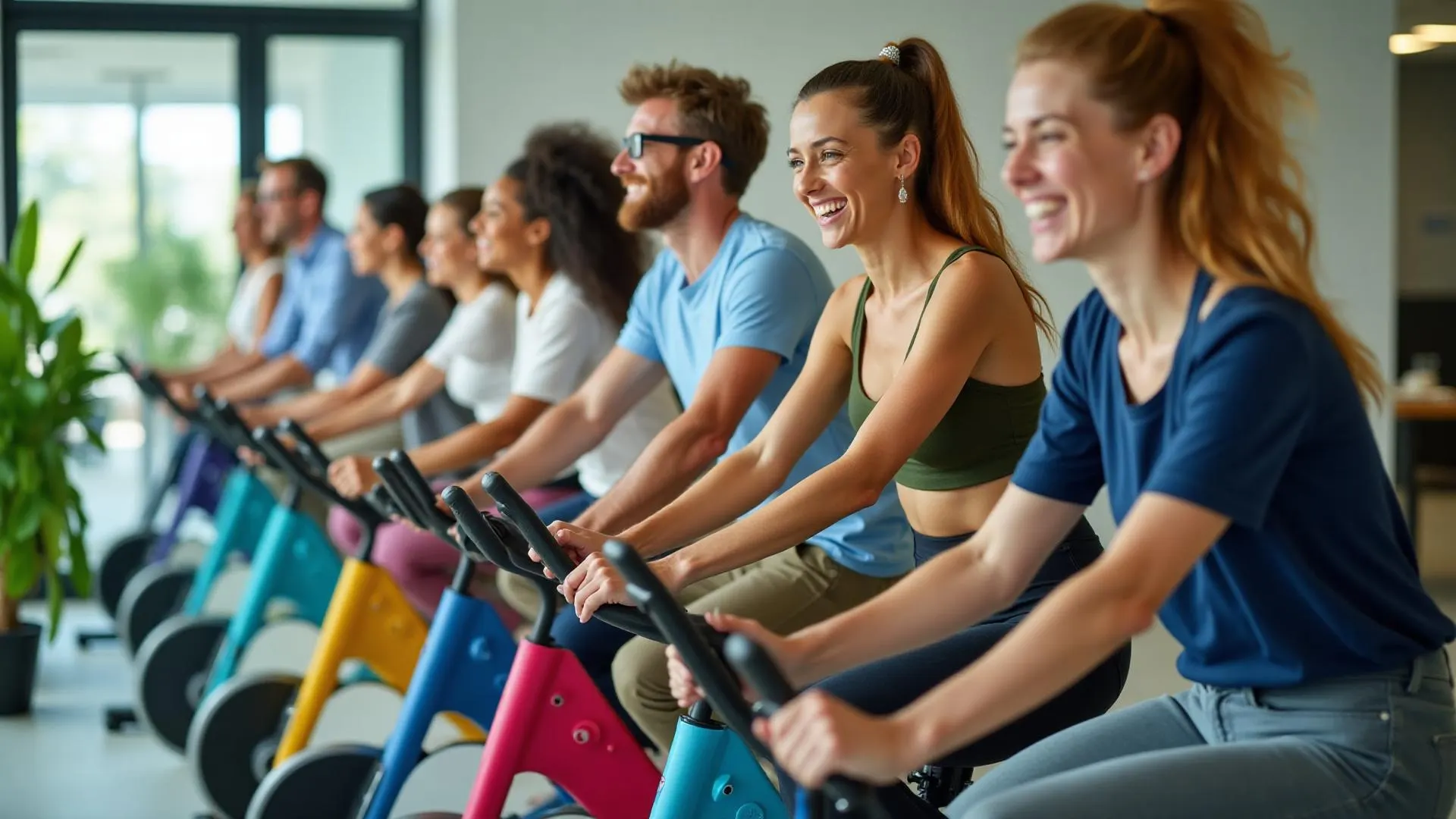
The default wellness day format hasn't changed in 15 years. Employees know exactly what they're being invited to and most of them have done it twice already. The job is to make the next invitation feel different — pedal-powered smoothie bike, branded photobooth, premium framing.
2. The clinical framing feels like surveillance
Walking into a screening tent feels less like wellness and more like being measured. Employees worry about results going to HR, being judged on weight or being told they have hypertension in front of colleagues. Private rooms, anonymised reporting and clearly stated POPIA compliance fix most of this.
3. The timing collides with deadlines
A 4-hour event on a Thursday afternoon during quarter-close is a participation killer. Schedule wellness days during quieter weeks, communicate the time commitment honestly (90 minutes, not "drop in any time") and let teams pre-book slots.
4. The event isn't visible
Most wellness days happen behind a meeting-room door. By the time employees walk past, the queue looks intimidating or the energy looks low. Stage the hero station in reception or the canteen so every employee passes it within an hour.
5. There's no social hook
The biggest single behavioural driver of wellness day attendance is "is my friend going?" — not "is it good for me?". A passport, leaderboard or team challenge converts solo attendance into a social activity, which doubles participation.
6. The brand feels cheap
Cardboard signs, plastic table cloths and clipboards send the signal that this isn't important. Branded cups, premium signage and a content-ready photobooth send the opposite signal — that the company is investing in the moment. Staff respond to the production value.
7. HR isn't seen attending
If the HR team treats the event as a task to manage rather than an experience to enjoy, staff notice. The single most effective intervention we've seen: the MD pedals a smoothie bike. Staff post it immediately and the next event books out.
What to do instead
- Lead with an engagement-first activation (smoothie bike, photobooth) — not a screening.
- Add the clinical screening as a private, opt-in room — not the front door of the event.
- Brand the entire room. Premium framing changes how staff perceive the invitation.
- Use a wellness passport with a real prize.
- Have leadership attend visibly.
- Report the numbers honestly. If 40% turned up, fix it next time.
Related reading: why most wellness days fail, how to increase participation, wellness day packages.