Team-building shouldn't be booked because the calendar says it's time. It should be booked because a specific signal in the team tells you the intervention is needed. Below are 8 observable signals that a team needs team-building, with the format that addresses each.
Signal 1: Engagement-survey scores on 'I feel connected to my team' have dropped
The most direct signal. If the 'team connection' question in your engagement survey has dropped by 5 plus points compared to prior cycles, the team needs intervention.
Format: Half-day multi-station team building with rotation through cross-team mixed groups (not their existing team) so connections form across silos.
Signal 2: Meetings have become quiet and transactional
Where there used to be banter, ideas-bouncing and real disagreement, there's now silence, one-way information transfer, and no challenge. The team has stopped trusting each other enough to speak up.
Format: Sip and paint or other conversation-rich format that rebuilds the informal-conversation muscle. Aim for 2-3 hours, intimate group, no MC.
Signal 3: Recent merger, restructure or significant new hires
Any structural change to the team creates a new team in effect. The faster the new team can form rapport, the faster productivity recovers. Without intervention, full rapport takes 6-12 months.
Format: 'New team kickoff' half-day with mixed-group team-building activities. Intentional cross-old-and-new pairings throughout.
Signal 4: Cross-departmental friction is rising
Marketing and sales are blaming each other. Engineering and product are stuck. Operations and finance are at odds. The friction is structural, not personal — but it's eating productivity.
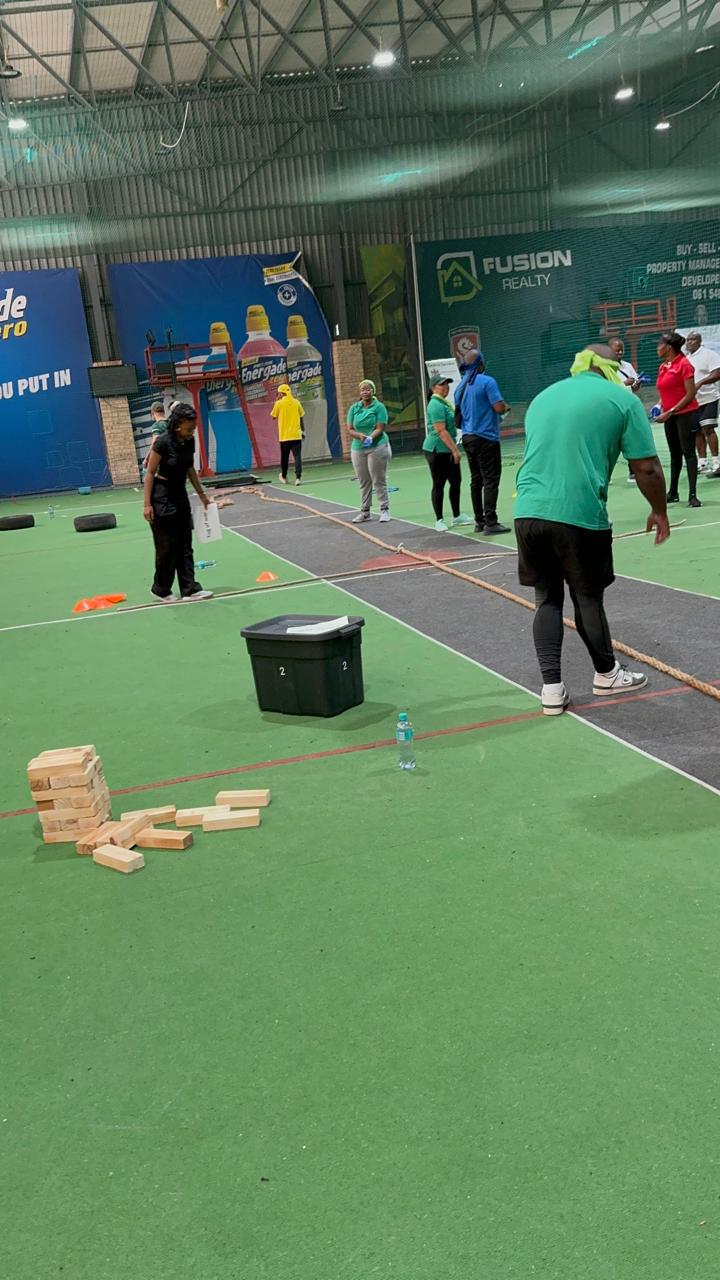
Format: Department-vs-department Office Olympics in a competitive but light format. The shared experience of competition (with humour) softens the friction.
Signal 5: Sick-day absenteeism is rising
Absenteeism is often a leading indicator of disengagement. When staff don't want to come to work, they find reasons not to. Team-building alone won't fix this, but combined with broader wellness intervention it materially helps.
Format: Combined wellness day plus team building. The wellness layer addresses the physical and mental signal; the team-building layer addresses the social signal.
Signal 6: A specific tough period has just ended
A major project has shipped after months of pressure. Year-end close has just completed. A funding round has closed. The team is exhausted, sometimes frayed, in need of decompression and recognition.
Format: Lower-key 'celebration and reset' format. Sip and paint or fun fitness or a wellness day with light team-building. Not a high-intensity Office Olympics — staff don't need more pressure.
Signal 7: A specific tough period is about to start
Audit season starts next month. Q4 push is two weeks away. Major migration goes live in 6 weeks. The team is heading into pressure and needs a connection-and-energy moment before.
Format: Higher-energy multi-station team-building event. Office Olympics plus smoothie bikes is the classic 'gear up' combination.
Signal 8: New leadership has just been appointed
New CEO, new department head, new manager — leadership transitions are high-risk moments for team trust. Team-building gives the new leader a non-meeting context to be visible and the team a non-meeting context to read the leader.
Format: Half-day where the new leader is genuinely present (competing alongside the team, not observing from the side). Sip and paint or Office Olympics both work — the format matters less than the new leader being visibly there.
The signal you should never ignore
If you're seeing 3 or more of the above signals simultaneously, the team is in cumulative disconnect. A single event won't fix it — you need a 6-month engagement rebuild programme with team-building as one of the components. Don't pretend a single quarterly event can do that work.
The signal that's NOT a team-building signal
Individual performance issues. A specific team member is struggling — that's a coaching, performance-management or HR conversation. Don't book a team-building event to address an individual issue. It punishes everyone for one person's situation and doesn't help the individual.