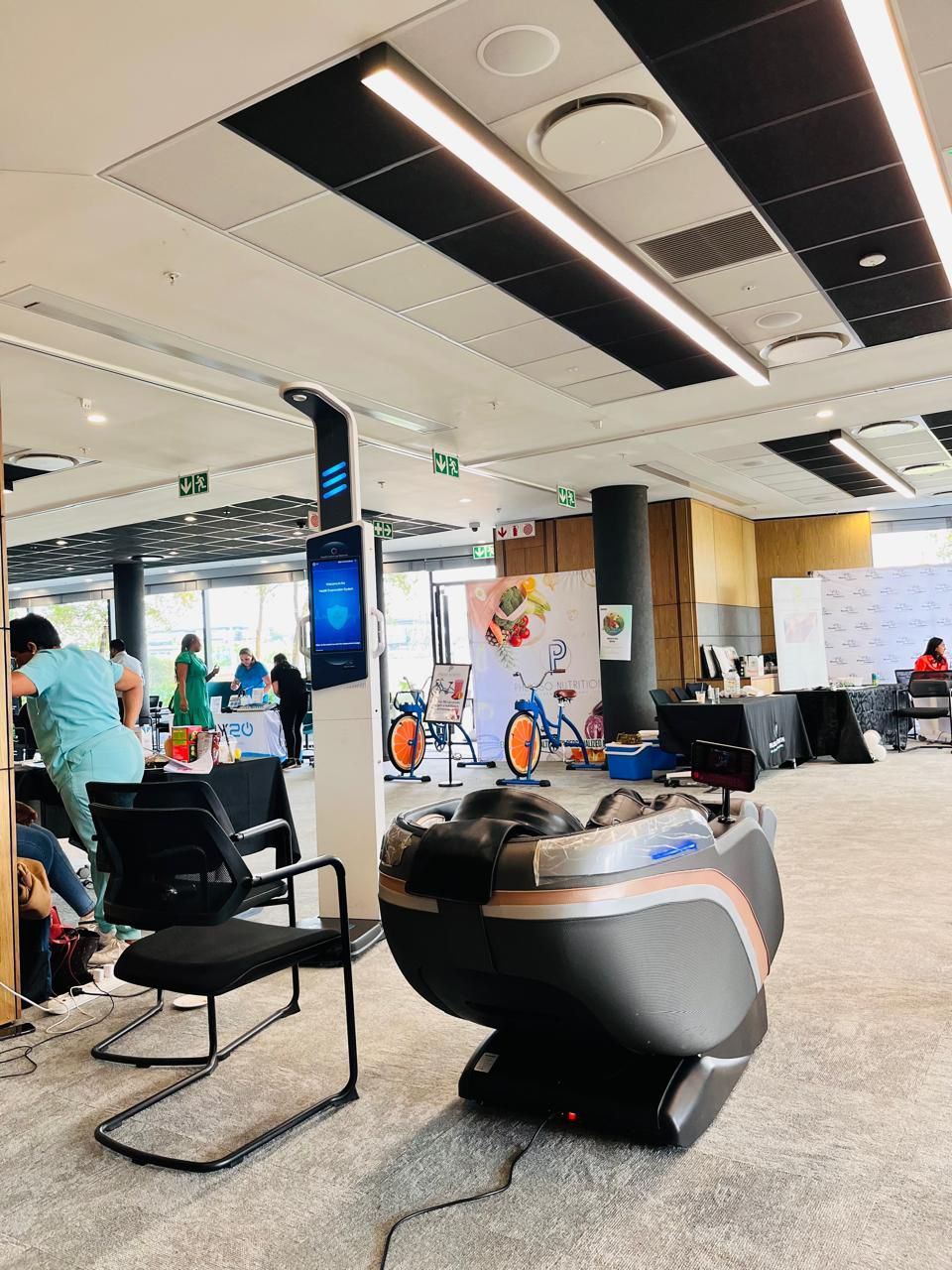
Wellness days are most effective when they respond to a specific signal, not when they sit on the calendar by default. These are the ten signals South African HR teams should be reading — and what to book when you see them.
1. Sick days are climbing
A 15% rise in stress-related sick days over a rolling quarter is the canary. Chair massages on a monthly cadence are the cheapest intervention with a measurable impact.
2. Engagement scores are dropping on 'company cares about wellbeing'
The single most predictive question for wellness budget approval. A drop here justifies an immediate activation — chair massages are the fastest score-mover because uptake is so high.
3. Exit interviews mention burnout
When 'burnout' starts appearing in exit interviews, you're looking at a retention problem with a wellness layer. The right response is a structured programme, not a one-off morale event.
4. Mid-afternoon energy is visibly low
Walk the office between 2–4pm. If everyone's drained, you're seeing the cognitive-fatigue pattern that chair massages are mechanically good at interrupting.
5. A high-pressure cycle just ended
Year-end, audit, project ship, exam season, board reporting — these all leave a recovery debt. A half-day chair massage activation in the week after is the cheapest way to clear it.
6. Team rapport is fading on hybrid teams
Hybrid teams lose the casual rapport that office-based teams build incidentally. A wellness day on an in-office day rebuilds that rapport faster than any other intervention.
7. Manager 1:1s are surfacing physical complaints
Tension headaches, neck pain, lower-back stiffness, RSI symptoms — when these show up in 1:1s, you're seeing the physical cost of the work environment.
8. Wellness budget is about to expire
Don't let it. Chair massages have a fast booking turnaround (2–4 weeks) and high uptake — the easiest budget-utilisation answer if you have unspent allocation by Q3.
9. Major change is coming
Anticipated change drives anxiety. Run a wellness day in the lead-up — chair massages, screenings, an EAP touch-in — to give staff something tangible to anchor the period.
10. It's been more than 6 months since the last wellness activation
The half-life of a wellness day's engagement effect is about 4–6 months. After that, the signal fades. The right cadence for South African corporates is quarterly minimum, monthly ideal.
What to book
Two or fewer signals: a half-day single-therapist chair massage. Three to five: a full wellness day with chair massages, smoothie bikes and screenings. Six or more: a structured 12-month wellness programme with monthly chair massage retainer plus quarterly wellness days.