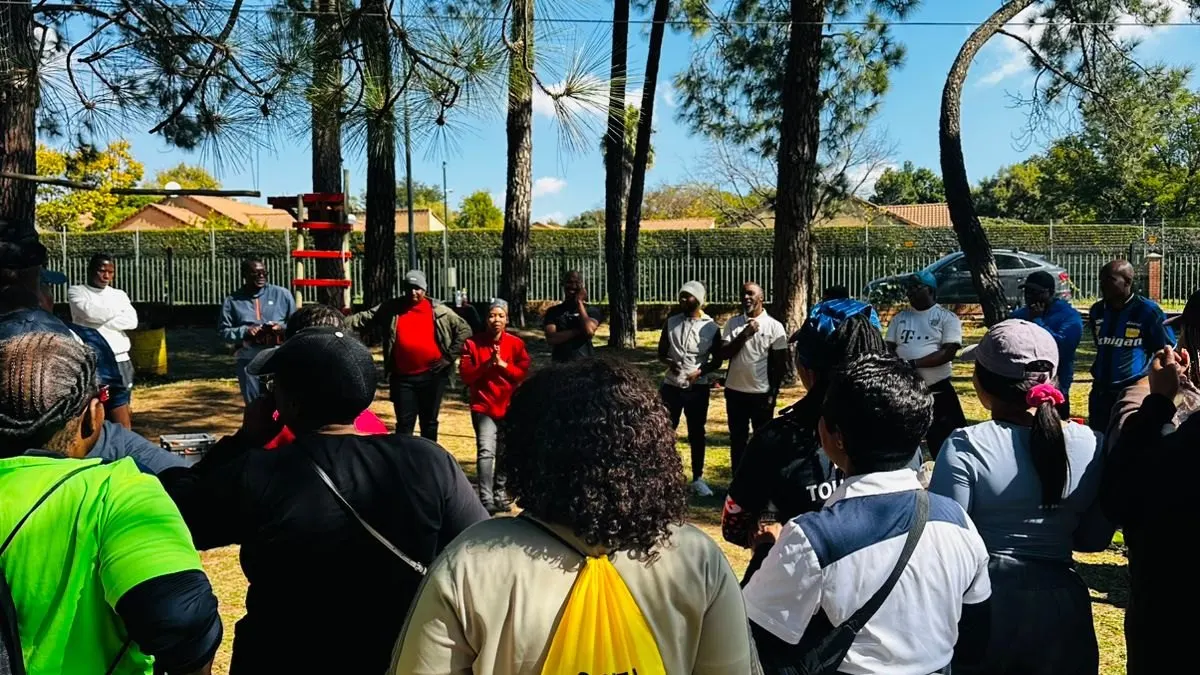
A clear brief helps you book the right speaker. Tell us whether your team wants practical ways to manage workplace stress, a nutrition session, or a discussion on men's or women's health. Include the audience size, preferred session length and whether you want time for questions.
A workplace wellness talk can be a useful part of a corporate wellness day, a health awareness month or a team meeting. It reaches many employees at once and gives them practical information they can use. The right speaker depends on what your team needs, how many people will attend and how the session fits into the working day.
This guide helps HR teams in Johannesburg, Gauteng and across South Africa prepare a brief, choose a format and avoid common booking mistakes.
Start with the topic
Start with what your employees are asking for or what your wellness calendar is focusing on. Topics HR teams often request include:
- Workplace stress: practical ways to manage pressure and workload. See our stress management workshops.
- Nutrition: healthy eating at work, meal planning and hydration. See nutrition talks and workshops.
- Men's or women's health: awareness talks during Men's Health Month, Women's Month or other health days. See our men's and women's health stands.
- Motivation and team culture: a motivational speaker for a conference, kick-off or appreciation event.
One clear topic usually works better than several topics squeezed into one session. If you need to cover more, consider a short series over several weeks.
Audience size and format
| Format | Best for | Things to plan |
|---|---|---|
| Talk | Larger groups and conferences | Microphone, screen and seating |
| Workshop | Smaller groups that want to take part | Tables, materials and a longer time slot |
| Talk plus questions | Most office audiences | Time for questions and a way to ask anonymously |
| Online session | Hybrid or remote teams | Platform, link and a host to manage questions |
Tell the speaker who the audience is: head office staff, shift workers, managers or a mixed group. The same topic is presented differently to each.
Session length and timing
Shorter sessions are easier to fit into a busy day. A talk over lunch or at the start of a team meeting usually gets better attendance than a session in the middle of the afternoon. If the talk is part of a wellness day, schedule it when most people are already on site, and avoid running it at the same time as the most popular activity.
Group talks and private appointments
If the brief includes individual emotional support, say so upfront. A group talk and private appointments need different scheduling, space and practitioner arrangements. Private sessions need a confidential room, a booking system and a qualified practitioner, and employees should know how their information is kept private. If your company has an employee assistance programme, mention it so the speaker can point people to it. Our individual counselling page explains the one-on-one option.
Room and equipment
- Seating for the expected audience, plus a few extra chairs.
- A microphone for groups larger than a meeting room.
- A screen or projector if the speaker uses slides.
- A quiet space away from music or busy activity stations.
- Water for the speaker and a clear start and finish time.
Pairing a talk with other activities
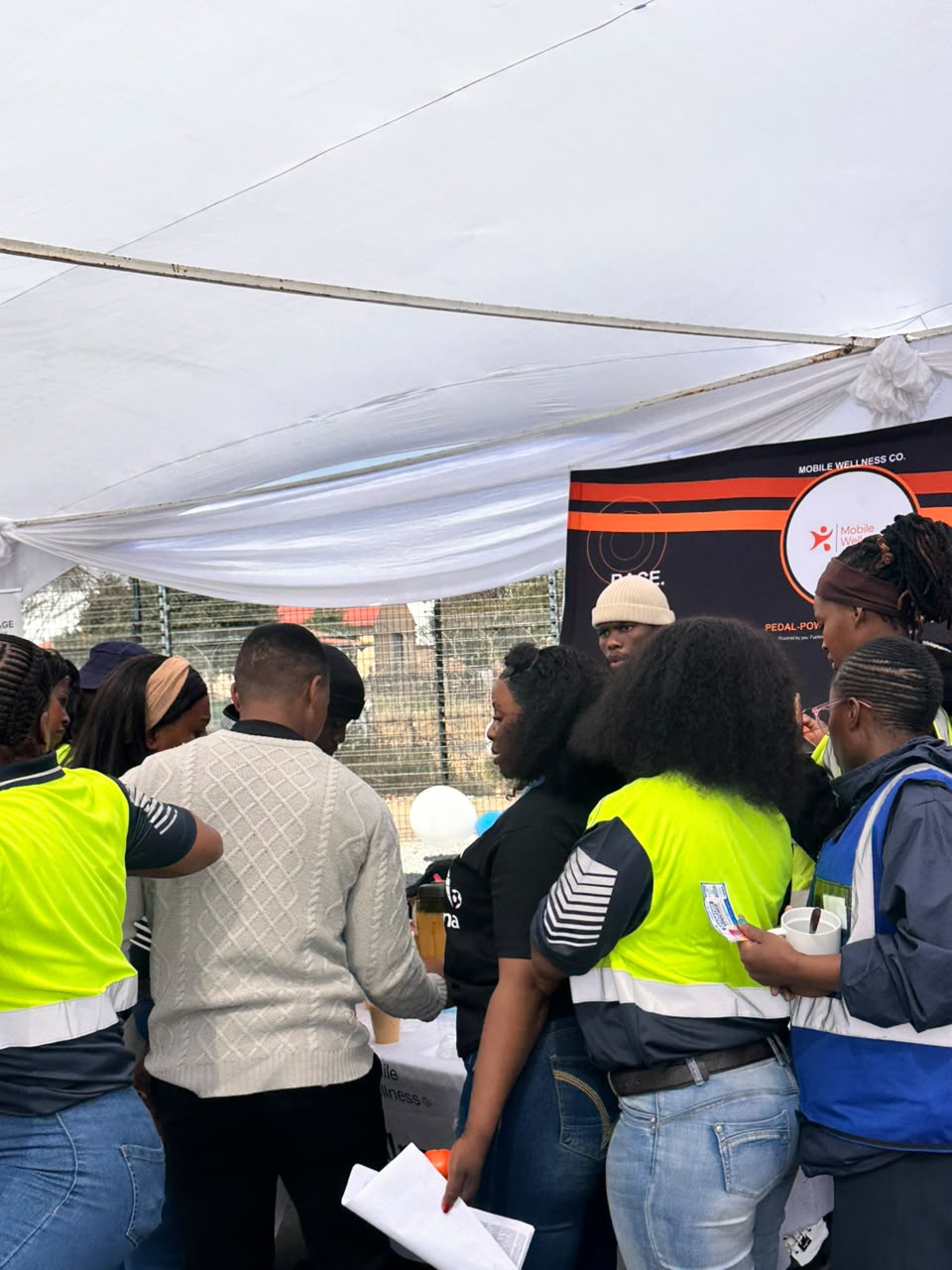
A talk can be the anchor of a wider wellness day. For example, a nutrition talk can be followed by a smoothie bike station, or a stress talk by chair massage appointments. Pairing information with an activity gives people a reason to attend and something practical to try straight away.

Common booking mistakes
- A vague topic. "Wellness" is too broad. Say what you want employees to learn or do differently.
- The wrong time slot. A talk scheduled during a deadline or a shift change will have low attendance.
- No room for questions. Many employees want to ask something. Leave time, and consider a way to submit questions anonymously.
- Mixing a group talk with private support without planning. If people may want to speak privately afterwards, arrange the space and practitioner in advance.
- Late communication. Send the invite at least a week before so people can block their calendars.
After the session
Share a short summary or resource list with employees afterwards, especially for people who could not attend. A quick feedback question, such as which topic they would like next, helps you plan future sessions. Our 2027 health calendar can help you match talks to awareness days through the year.
A simple speaker brief
- Topic and what you want employees to take away.
- Audience size and who will attend.
- Date, city and venue, or online platform.
- Preferred session length and whether you want questions.
- Whether private appointments are needed as well.
- Equipment available at the venue.
Mobile Wellness Co can discuss the format and help source a suitable speaker or practitioner, subject to the brief and availability.
Frequently Asked Questions
What topics can a workplace wellness speaker cover?
Common requests include practical ways to manage workplace stress, nutrition, men's or women's health and motivation. Share the topic and audience in your brief so a suitable speaker can be sourced.
What should I include in a wellness speaker brief?
Include the topic, audience size, date, city, preferred session length, whether you want questions and whether private appointments are needed.
Can a speaker also offer one-on-one sessions?
Say so upfront. Group talks and private appointments need different scheduling, space and practitioner arrangements, including a confidential room.
Can a wellness talk be part of a wellness day?
Yes. A talk can anchor a wellness day and be paired with activities such as smoothie bikes or chair massage.